The Wild One (1953)
The Motorcycle Film That Defined a Generation
Released in 1953, The Wild One is one of the most influential films in American cinema. Starring Marlon Brando as rebellious biker Johnny Strabler, the film became a cultural landmark that shaped the image of motorcycles, youth rebellion and American cool for decades to come.
Inspired by real-life events surrounding a motorcycle gathering in California, The Wild One captured the growing divide between traditional American values and a younger generation searching for freedom and identity. Brando's unforgettable performance transformed him into an international star and established one of cinema's most iconic characters.
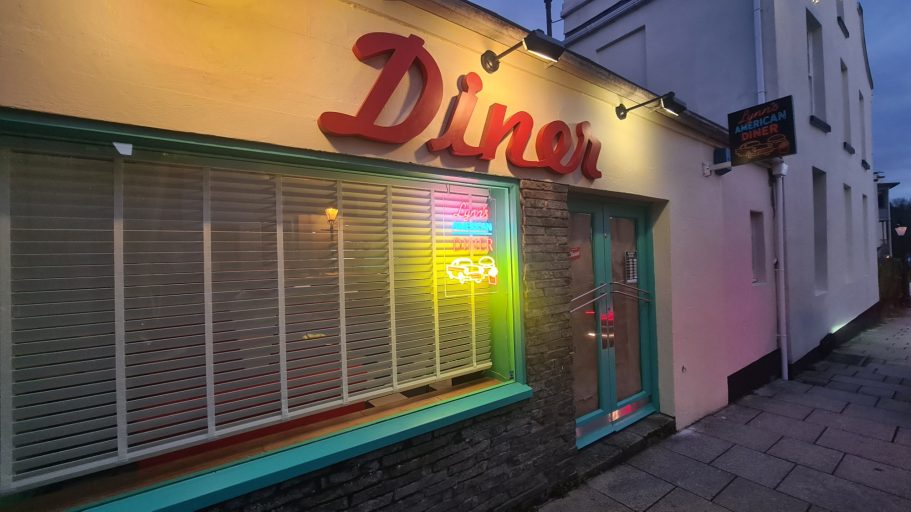
At Lynn's American Diner, The Wild One proudly hangs on our walls as a symbol of individuality, freedom and classic Americana.
Quick Facts
Release Date: December 30, 1953
Director: László Benedek
Producer: Stanley Kramer
Screenplay: John Paxton
Based on: "The Cyclists' Raid" by Frank Rooney
Starring:
Mary Murphy
Robert Keith
Lee Marvin
Jay C. Flippen
Genre: Crime Drama
Running Time: 79 minutes
Studio: Columbia Pictures
Story
Johnny Strabler leads the Black Rebels Motorcycle Club, a group of bikers travelling through California in search of excitement and adventure.
When the gang rides into the quiet town of Wrightsville, their arrival creates tension with the local community. As misunderstandings grow and rival motorcycle gangs clash, the town is forced to confront its own fears and prejudices.
Rather than presenting a simple story of heroes and villains, The Wild One explores themes of belonging, freedom, authority and the search for identity.
Marlon Brando as Johnny Strabler
Few performances have influenced popular culture as profoundly as Marlon Brando's portrayal of Johnny.
Wearing his black leather jacket, engineer boots and tilted cap while sitting astride his Triumph Thunderbird motorcycle, Brando created an image that has inspired generations of actors, musicians and motorcycle enthusiasts.
His understated acting style and natural charisma helped redefine screen acting in the 1950s.
One of the film's most famous exchanges has become part of Hollywood history.
When asked,
"What are you rebelling against?"
Johnny replies,
"Whaddya got?"
Although only a few words long, the exchange came to symbolise youthful rebellion around the world.
Production
Directed by László Benedek and produced by Stanley Kramer, The Wild One was loosely inspired by the 1947 Hollister motorcycle rally in California.
Although the film generated controversy upon release, it attracted enormous public attention and became a commercial success.
For many years the film was even restricted in some countries because authorities feared it might encourage juvenile delinquency.
Ironically, that controversy only increased its legendary status.
Cultural Impact
It is difficult to overstate the influence of The Wild One.
The film inspired:
Motorcycle clubs around the world.
Countless Hollywood films.
Leather jacket fashion.
Rock and roll performers.
Television shows.
Popular advertising.
Johnny Strabler became one of the defining symbols of American rebellion, influencing everyone from Elvis Presley and James Dean to countless musicians and actors who followed.
Even today, the visual style created by Marlon Brando remains instantly recognisable.
Why We Love The Wild One
At Lynn's American Diner, we celebrate films that changed American culture.
The Wild One did exactly that.
It is more than a motorcycle film—it represents freedom, independence and the spirit of post-war America.
Brando's performance remains captivating more than seventy years later, reminding audiences that true screen legends never fade.
The film's influence can still be seen today in fashion, music, film and motorcycle culture.
Awards and Recognition
Although The Wild One received mixed reviews when first released, its reputation has grown enormously over the decades.
Today it is recognised as one of the most influential films of the 1950s and a defining work in the history of American cinema.
Its importance lies not only in its storytelling but also in its lasting impact on popular culture.
The Wild One at Lynn's American Diner
Visitors to Lynn's American Diner will find The Wild One proudly displayed among our collection of classic American movie memorabilia.
The film perfectly captures the independence, optimism and spirit that helped define modern America.
Every poster on our walls has been carefully chosen because it tells part of the story of American culture, and The Wild One remains one of its most enduring chapters.
Related Archive Pages
László Benedek
Stanley Kramer
John Paxton
Mary Murphy
Lee Marvin
Triumph Thunderbird
Rebel Without a Cause (1955)
The Godfather (1972)
Classic American Motorcycles
American Cinema of the 1950s
Did You Know?
Marlon Brando performed many of his own motorcycle riding scenes.
The motorcycle ridden by Johnny Strabler was a Triumph Thunderbird 6T, which became one of the most famous motorcycles in film history.
The film helped popularise the black leather biker jacket as a cultural icon.
Despite its modest running time of just 79 minutes, The Wild One remains one of the most influential films ever made about youth culture.
Lynn's American Diner Rating
⭐⭐⭐⭐⭐ 10/10
Why it's on our wall
Some films entertain. Others change culture.
The Wild One belongs to the second group.
Without Marlon Brando's Johnny Strabler, it's difficult to imagine the rise of James Dean, the rebellious spirit of rock and roll, or even many of the motorcycle films and television shows that followed. More than seventy years after its release, the film still feels authentic, stylish and influential.
That is exactly why it has earned its place on the walls of Lynn's American Diner.
"The Wild One reminds us that the most influential films are often those that challenge expectations and capture the spirit of a generation."
The Lynn's American Diner Movie Archive celebrates the films, actors, directors and storytellers whose work continues to define the history of American cinema and the enduring appeal of Americana.